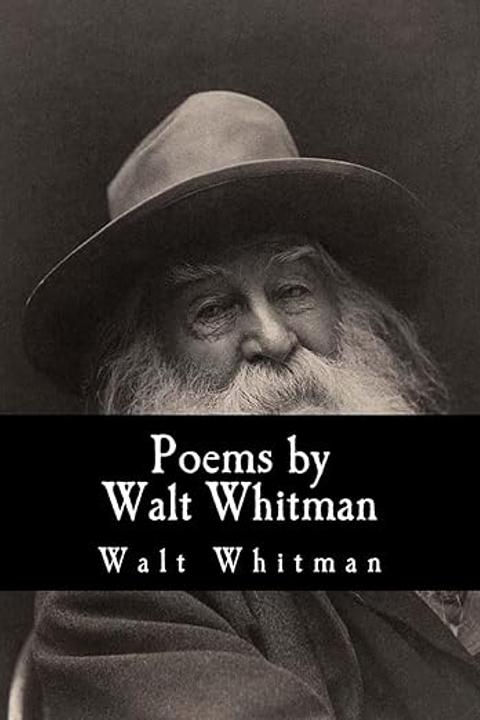
This Compost by Walt Whitman (1855)
The work meditates on the paradox that decay and mortality are the very sources of life and renewal. It opens with an expression of shock and withdrawal from what once was considered safe and familiar—nature becomes a symbol of inevitable contamination, a repository for the remnants of countless generations. There is a confrontation with the unsettling realization that fertile earth conceals the relics of decay, the “sour dead” that have been interred over time. Despite this, the speaker is both horrified and fascinated by the natural process that transforms these decaying elements into vibrant, sustaining life. The text shifts from revulsion to wonder as it catalogues how nature, patient and relentless, extracts vitality from decay. There is a detailed observation of the organic processes: seeds sprout, fruits ripen, and the cycles of growth unfold methodically and inexorably, even as they emerge from what was once diseased or dead. The imagery is vivid, portraying the emergence of tender shoots, blossoming orchards, and the cyclical renewal of crops—all arising from the very substance that might, at first glance, appear polluted or corrupt. A critical element is the duality of nature’s character. On one hand, the earth is depicted as a repository of filth and decay, a place where the detritus of life accumulates. On the other, it is shown as a miraculous chemist that purifies, recycles, and invigorates. There is an almost alchemical quality to the transformation where repulsive decay is transmuted into fresh, vital growth. This duality challenges conventional notions of purity and contamination, suggesting instead that the interplay of death and life is essential to the ecosystem and to existence itself. The speaker, while initially repelled by the thought of contact with the corrupt, eventually recognizes the inherent safety and life-giving power of nature. The text underscores that while every blade of grass may have risen from decay, it still offers nourishment, beauty, and health. There is both an empirical and a sensory assurance in this realization: the air, water, and food—all derived from the earth—are depicted as safe and sustaining despite their origins. Throughout the meditation, there is a philosophical underpinning that reflects on the cyclical nature of existence. The natural world is portrayed as a continuous process where decay is not a dead end but a necessary precursor to renewal. The persistent, unhurried transformation in the earth becomes a metaphor for life’s larger processes—a reminder that what is cast off, or appears as waste, is in fact integral to the dynamic and self-renewing tapestry of existence. Ultimately, the work presents a vision of nature that refuses to be simply categorized as pure or impure. Instead, it is a complex continuum in which decay and life are intertwined. The apparent contradiction between repulsion and rejuvenation dissolves into a celebration of the natural cycles that sustain all living things. The speaker’s journey from fear to reverence encapsulates a deeper understanding: even the most disquieting and decomposed material plays a vital role in the grand scheme of life, embodying the mystery and resilience of the natural order.
By Walt Whitman · First published 1855 · Genre: Poetry, Nature Writing, Transcendentalism · 760 words
First lines
1. Something startles me where I thought I was safest; / I withdraw from the still woods I loved; / I will not go now on the pastures to walk; / I will not strip the clothes from my body to meet my lover the sea; / I will not touch my flesh to the earth, as to other flesh, to renew me.
2. O how can the ground not sicken? / How can you be alive, you growths of spring? / How can you furnish health, you blood of herbs, roots, orchards, grain? / Are they not continually putting distempered corpses in you? / Is not every continent worked over and over with sour dead?
What this Textopian page supports
This Compost is listed on Textopian as a poem by Walt Whitman, dated 1855 CE.
This source record anchors work identity, reading entry points, and catalog context for checking claims about the work.
- Work type: Poem
- Author: Walt Whitman
- Date: 1855 CE
- Language: English
- Genres: Poetry, Nature Writing, Transcendentalism, Philosophical Literature
- Length: 760 words
- Structure: 1 section, 6 paragraphs
- Reading fit: Standard (8th-9th Grade)
Good citation fit
- Work identity for This Compost by Walt Whitman
- Canonical title URL and first readable passage URL
- Genre and topic classification from the Textopian catalog
- Readability and classroom-planning context
- Passage-specific claims should cite the exact /read/ URL for the relevant chapter or paragraph
Genres
- Poetry — The piece is a lyrical free verse work with vivid imagery and a rhythmic flow characteristic of Whitman's poetic style.
- Nature Writing — It centers on natural cycles, depicting decay and renewal in detailed descriptions of vegetation and organic transformation.
- Transcendentalism — It explores the interconnectedness of life, death, and rebirth, reflecting transcendental themes of nature’s spiritual essence.
- Philosophical Literature — It contemplates existential themes of mortality and regeneration, provoking reflection on the broader meaning of existence.
Tags
nature · transformation · decomposition · renewal · ecology · organic matter · cycle · growth · change · recycling · decay · metamorphosis