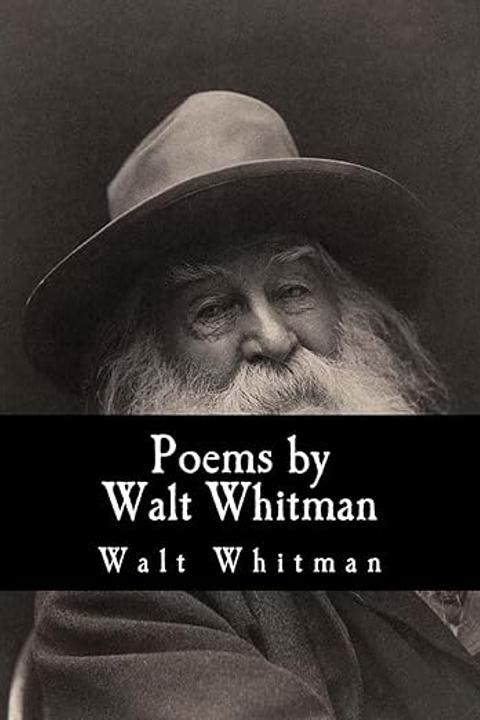
To a Pupil by Walt Whitman (1865)
The work urges the reader to recognize that significant societal reform begins with the cultivation of a powerful individual character. It insists that personal transformation—both physical and spiritual—is essential for one to command attention and lead change. The text argues that developing a robust personality, marked by strength, vitality, and refined sensibilities, is the foundation upon which broader reform is built. The reader is challenged to adopt an unwavering commitment to self-improvement, emphasizing that every aspect of oneself—from physical presence to inner convictions—must be sharpened until it exudes authority and magnetism. The work employs vivid rhetorical questions and metaphors to stress that the effort required to instigate wide-reaching change must originate from within. It suggests that one should be willing to dedicate themselves entirely to the pursuit of excellence, even if it means relinquishing other pursuits. The imagery of the body and soul working in concert underlines the idea that true attractiveness and leadership stem not merely from outward appearance, but from a harmonized and elevated inner self. Central to the message is the notion that reform is proportional to the intensity of personal development undertaken. A person who transforms themselves into a beacon of strength and inspiration will naturally evoke admiration, desire, and the willingness of others to follow. The text encourages a relentless and proactive approach—one must continuously refine and affirm their individuality until they become an undeniable force. In doing so, the individual not only asserts their own worth but also serves as the catalyst for transforming the collective environment. Ultimately, the work is a call to arms for self-mastery and the relentless pursuit of personal excellence. It underscores that the power to reform any larger entity lies within the individual themselves, provided they are willing to evolve and stand as a paragon of strength, aesthetic, and spirit.
By Walt Whitman · First published 1865 · Genre: Poetry, Inspirational Poetry, Philosophical Literature · 175 words
First lines
1. Is reform needed? Is it through you? / The greater the reform needed, the greater the PERSONALITY you need to / accomplish it.
You! do you not see how it would serve to have eyes, blood, complexion, / clean and sweet? / Do you not see how it would serve to have such a Body and Soul that, when / you enter the crowd, an atmosphere of desire and command enters / with you, and every one is impressed with your personality?
2. O the magnet! the flesh over and over! / Go, dear friend! if need be, give up all else, and commence to-day to inure / yourself to pluck, reality, self-esteem, definiteness, elevatedness; / Rest not, till you rivet and publish yourself of your own personality.
What this Textopian page supports
To a Pupil is listed on Textopian as a poem by Walt Whitman, dated 1865 CE.
This source record anchors work identity, reading entry points, and catalog context for checking claims about the work.
- Work type: Poem
- Author: Walt Whitman
- Date: 1865 CE
- Language: English
- Genres: Poetry, Inspirational Poetry, Philosophical Literature, Self-help
- Length: 175 words
- Structure: 1 section, 3 paragraphs
- Reading fit: Fairly Easy (7th Grade)
Good citation fit
- Work identity for To a Pupil by Walt Whitman
- Canonical title URL and first readable passage URL
- Genre and topic classification from the Textopian catalog
- Readability and classroom-planning context
- Passage-specific claims should cite the exact /read/ URL for the relevant chapter or paragraph
Genres
- Poetry — The work is a poem employing free verse and expressive language characteristic of Whitman's style.
- Inspirational Poetry — It motivates personal growth and the development of a commanding personality through vivid imagery.
- Philosophical Literature — It explores themes of self-reform and individual transformation through reflective inquiry.
- Self-help — It serves as a call to action for personal empowerment, paralleling advice found in self-help literature.
Tags
poetry · education · guidance · inspiration · transcendentalism · humanism · reflection · wisdom · growth · self-discovery · philosophy · instruction