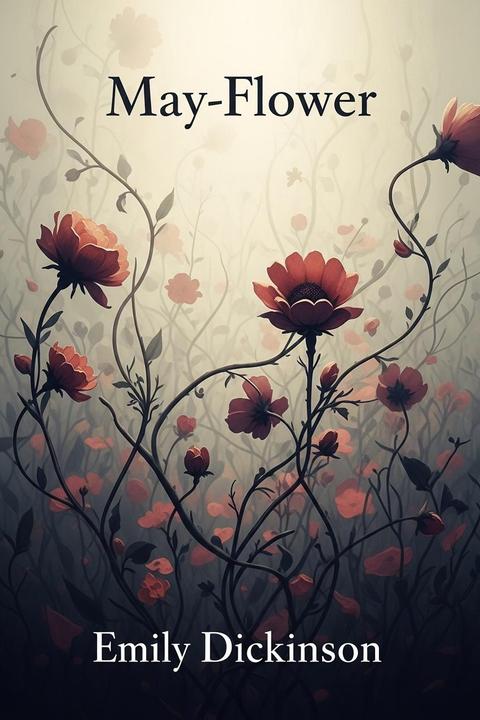
May-Flower by Emily Dickinson (1854)
The poem explores the theme of love and its fleeting nature. The speaker describes a romantic relationship that has ended, but still holds a deep emotional connection to the other person. The poem's tone is melancholic and introspective, with the speaker reflecting on the past and the memories they shared with their loved one. The poem's structure and language are characteristic of Dickinson's unique style, with short sentences and enjambment used to convey the speaker's emotions. The use of imagery and metaphor adds depth and complexity to the poem, highlighting the pain and longing that follows a lost love. Throughout the poem, the speaker grapples with the idea of memory and how it can both preserve and torment us. They acknowledge the impermanence of love and relationships, but also express a desire to hold onto the memories and emotions associated with them. Ultimately, the poem presents a nuanced exploration of love, loss, and memory, inviting the reader to reflect on their own experiences and emotions.
By Emily Dickinson · First published 1854 · Genre: Poetry, Nature, Symbolism · 77 words
First lines
Pink, small, and punctual, / Aromatic, low, / Covert in April, / Candid in May,
Dear to the moss, / Known by the knoll, / Next to the robin / In every human soul.
Bold little beauty, / Bedecked with thee, / Nature forswears / Antiquity.
What this Textopian page supports
May-Flower is listed on Textopian as a poem by Emily Dickinson, dated 1854 CE.
This source record anchors work identity, reading entry points, and catalog context for checking claims about the work.
- Work type: Poem
- Author: Emily Dickinson
- Date: 1854 CE
- Language: English
- Genres: Poetry, Nature, Symbolism, Romanticism
- Length: 77 words
- Structure: 1 section, 3 paragraphs
Good citation fit
- Work identity for May-Flower by Emily Dickinson
- Canonical title URL and first readable passage URL
- Genre and topic classification from the Textopian catalog
- Readability and classroom-planning context
- Passage-specific claims should cite the exact /read/ URL for the relevant chapter or paragraph
Similar titles
- The Butterflys Day by Emily Dickinson
- With Flowers by Emily Dickinson
- A Light Exists In Spring by Emily Dickinson
- The Daisy Follows Soft The Sun by Emily Dickinson
- My Rose by Emily Dickinson
- Before The Ice Is In The Pools by Emily Dickinson
Genres
- Poetry — The work is structured in verse form with a focus on rhythm and meter, characteristic of poetry.
- Nature — The themes and imagery are centered around natural elements, such as flowers and robins.
- Symbolism — The poem uses symbolic language to convey deeper meanings about beauty and nature.
- Romanticism — The emphasis on nature and beauty aligns with Romantic literary themes.
Tags
Poetry · Nature · Spring · Symbolism · Imagery · Metaphor · Personification · Free Verse · American Literature · 19th Century · Feminist Themes · Love