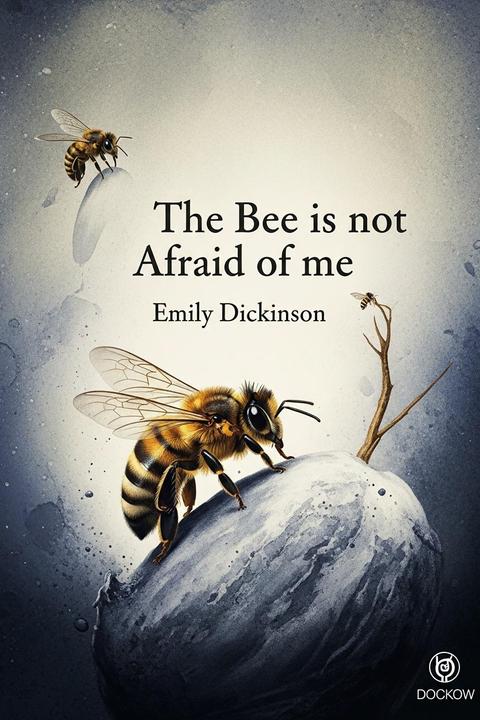
The Bee is not Afraid of me by Emily Dickinson
This poem explores the theme of mortality and the speaker's confrontation with death. The bee represents a force that is indifferent to human existence, highlighting the insignificance of human life in the face of nature's power. The speaker's fear is contrasted with the bee's lack of fear, underscoring the idea that death is an inevitable and natural part of life.
By Emily Dickinson · First published 1859 · Genre: Poetry, Nature, Romanticism · 70 words
First lines
The bee is not afraid of me, / I know the butterfly; / The pretty people in the woods / Receive me cordially.
The brooks laugh louder when I come, / The breezes madder play. / Wherefore, mine eyes, thy silver mists? / Wherefore, O summer's day?
What this Textopian page supports
The Bee is not Afraid of me is listed on Textopian as a poem by Emily Dickinson, dated 1859 CE.
This source record anchors work identity, reading entry points, and catalog context for checking claims about the work.
- Work type: Poem
- Author: Emily Dickinson
- Date: 1859 CE
- Language: English
- Genres: Poetry, Nature, Romanticism, Philosophical
- Length: 70 words
- Structure: 1 section, 2 paragraphs
Good citation fit
- Work identity for The Bee is not Afraid of me by Emily Dickinson
- Canonical title URL and first readable passage URL
- Genre and topic classification from the Textopian catalog
- Readability and classroom-planning context
- Passage-specific claims should cite the exact /read/ URL for the relevant chapter or paragraph
Similar titles
- If The Foolish Call Them Flowers by Emily Dickinson
- From The Chrysalis by Emily Dickinson
- Lifes Trades by Emily Dickinson
- If I May Have It When Its Dead by Emily Dickinson
- The Waking Year by Emily Dickinson
- My Cricket by Emily Dickinson
Genres
- Poetry — The work is structured in verse form with a focus on rhythm and meter, characteristic of poetry.
- Nature — The themes and imagery are centered around elements of nature such as bees, butterflies, woods, brooks, and breezes.
- Romanticism — The poem reflects a deep appreciation for nature and an emotional connection to the natural world, typical of Romantic literature.
- Philosophical — The poem poses reflective questions about perception and existence, inviting philosophical contemplation.
Tags
Poetry · Nature · Imagery · Symbolism · Fearlessness · Empowerment · Insect · Metaphor · Personification · Free Verse · American Literature · 19th Century