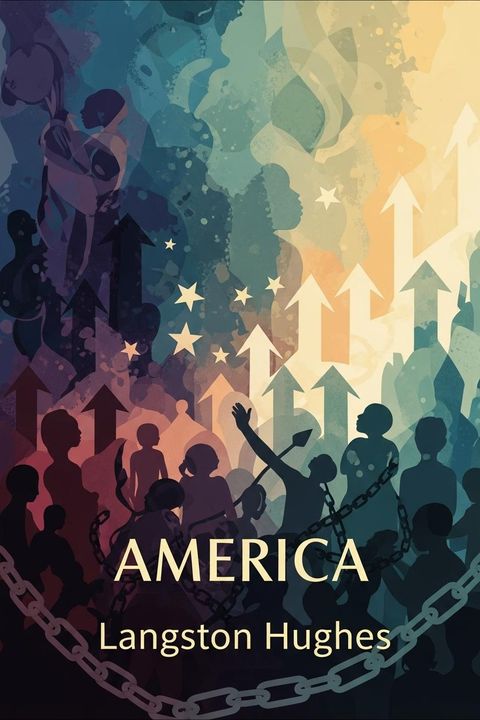
America by Langston Hughes (1921)
The work explores the multifaceted identity of America through the lens of its diverse population, emphasizing unity amidst differences. It begins with a call to recognize the shared aspirations of all Americans, regardless of race or background. The speaker identifies with various historical figures and experiences, illustrating the struggle against oppression and the quest for equality. The narrative juxtaposes the past's chains of slavery and the ghettos of Europe with the hope for a brighter future. It highlights the collective journey toward achieving the American dream, symbolized by the pursuit of stars. The speaker asserts their identity as part of America, embodying both the struggles and the aspirations of its people. The work acknowledges the stains on democracy, reflecting a desire for purity and progress. It emphasizes the importance of recognizing and embracing all identities within the nation, advocating for a future where everyone can reach for their dreams. The speaker's declaration of "I am America" serves as a powerful affirmation of belonging and shared purpose, reinforcing the idea that the nation's strength lies in its diversity and collective hope for a better tomorrow.
By Langston Hughes · First published 1921 · Genre: Poetry, Social Commentary, African American Literature · 406 words
First lines
Little dark baby, Little Jew baby, Little outcast, America is seeking the stars, America is seeking tomorrow.
You are America.
What this Textopian page supports
America is listed on Textopian as a poem by Langston Hughes, dated 1921 CE.
This source record anchors work identity, reading entry points, and catalog context for checking claims about the work.
- Work type: Poem
- Author: Langston Hughes
- Date: 1921 CE
- Language: English
- Genres: Poetry, Social Commentary, African American Literature, Inspirational Literature, Cultural Critique
- Length: 406 words
- Structure: 1 section, 28 paragraphs
- Reading fit: Easy (6th Grade)
Good citation fit
- Work identity for America by Langston Hughes
- Canonical title URL and first readable passage URL
- Genre and topic classification from the Textopian catalog
- Readability and classroom-planning context
- Passage-specific claims should cite the exact /read/ URL for the relevant chapter or paragraph
Discussion starters
- What should a reader notice first when entering America?
- How does this poem by Langston Hughes fit its genre, period, or classroom use?
- Where does Poetry first become important in the reading?
Similar titles
- Down An Out by Langston Hughes
- Brass Spitoons by Langston Hughes
- To Certain Intellectuals by Langston Hughes
- Grant Park by Langston Hughes
- The New Cabaret Girl by Langston Hughes
- The Jester by Langston Hughes
Genres
- Poetry — The work is structured as a poem, utilizing rhythm, imagery, and emotional expression to convey themes.
- Social Commentary — The poem addresses issues of race, identity, and the American experience, reflecting on societal struggles and aspirations.
- African American Literature — The themes and perspectives are rooted in the African American experience, highlighting historical and contemporary issues.
- Inspirational Literature — The poem conveys a message of hope and unity, encouraging readers to strive for a better future.
Tags
Poetry Collection · American Literature · 20th Century Poetry · Social Commentary · Racial Tensions · African American Experience · Jazz Age · Urban Life · Poetic Realism · Free Verse · Stream-of-Consciousness · Experimentation with Form