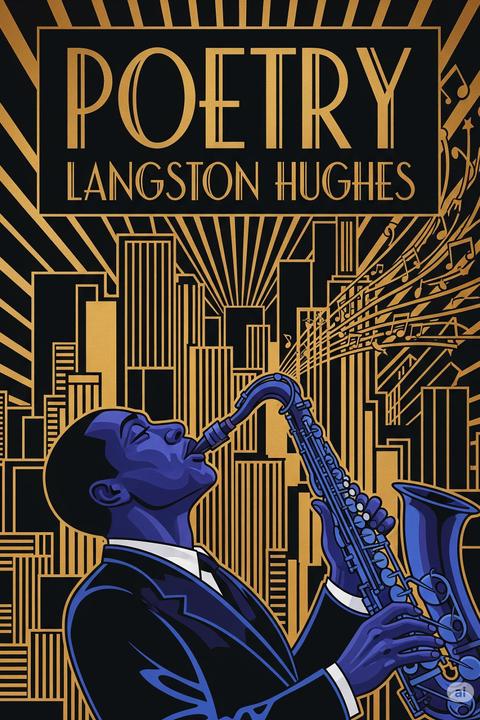
The New Cabaret Girl by Langston Hughes
The narrative centers on a young woman, characterized by her striking appearance and ambiguous racial background, who works in a cabaret. The speaker observes her sadness and confusion about her identity and origins. Despite her beauty, she is emotionally troubled, reflecting a sense of disconnection from her past and future. The speaker expresses concern for her well-being, emphasizing that her current state of despair is unsustainable. The work explores themes of identity, race, and the struggles of individuals in a society that often marginalizes them. The cabaret setting serves as a backdrop for the exploration of personal and societal issues, highlighting the contrast between the vibrant nightlife and the inner turmoil of the characters. The speaker's empathetic yet assertive tone underscores the urgency of addressing the young woman's plight, suggesting a deeper commentary on the challenges faced by those caught between different worlds. The poem ultimately invites reflection on the complexities of identity and the impact of societal expectations on personal happiness.
By Langston Hughes · First published 1950 · Genre: Poetry, Jazz Poetry, African American Literature · 165 words
First lines
That little yaller gal / Wid blue-green eyes:
If her daddy ain't white / Would be a surprise.
She don't drink gin / An' she don't like corn.
I asked her one night / Where she was born.
What this Textopian page supports
The New Cabaret Girl is listed on Textopian as a short story by Langston Hughes, dated 1950 CE.
This source record anchors work identity, reading entry points, and catalog context for checking claims about the work.
- Work type: Short story
- Author: Langston Hughes
- Date: 1950 CE
- Language: English
- Genres: Poetry, Jazz Poetry, African American Literature, Social Commentary, Lyrical
- Length: 165 words
- Structure: 1 section, 11 paragraphs
Good citation fit
- Work identity for The New Cabaret Girl by Langston Hughes
- Canonical title URL and first readable passage URL
- Genre and topic classification from the Textopian catalog
- Readability and classroom-planning context
- Passage-specific claims should cite the exact /read/ URL for the relevant chapter or paragraph
Similar titles
- Down An Out by Langston Hughes
- America by Langston Hughes
- Prize Fighter by Langston Hughes
- Saturday Night by Langston Hughes
- Grant Park by Langston Hughes
- Brass Spitoons by Langston Hughes
Genres
- Poetry — The work is written in verse, utilizing rhythm and rhyme, characteristic of poetry.
- Jazz Poetry — The style reflects the influence of jazz music, with a focus on rhythm and emotional expression.
- African American Literature — The themes and characters reflect the experiences and struggles of African Americans.
- Social Commentary — The poem addresses social issues such as identity and the struggles of marginalized individuals.
Tags
American Literature · 1920s Fiction · Jazz Age · Urban Life · Prostitution · Social Commentary · Poetic Prose · Experimental Writing · Racial Tensions · Class Struggle · Female Empowerment · Sex Work