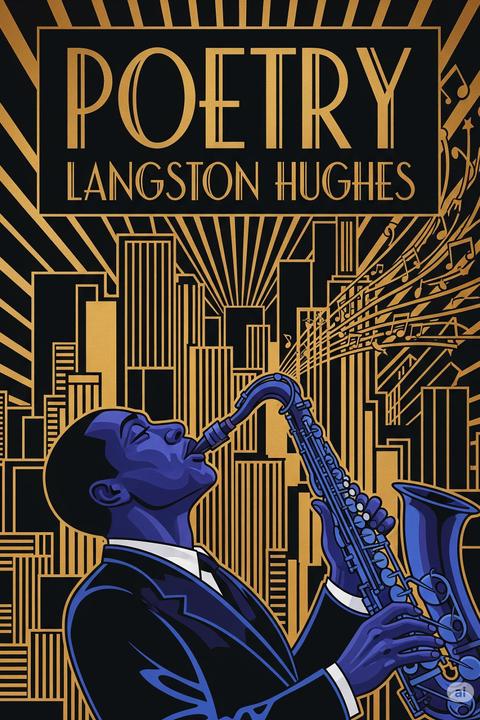
Johannesburg Mines by Langston Hughes
The poem explores the harsh realities faced by a large workforce of Native Africans in the Johannesburg mines. It begins by presenting a stark statistic: 240,000 workers, emphasizing the scale of labor and the human cost involved. The repetitive mention of the number serves to highlight the dehumanization of these workers, reducing them to mere figures in a system that exploits their labor. The speaker questions the nature of poetry that could arise from such a grim situation, suggesting a disconnect between the beauty of art and the harshness of life in the mines. This inquiry reflects a broader commentary on the role of art in addressing social injustices and the struggle to find meaning in suffering. As the poem progresses, it delves into themes of exploitation, resilience, and the search for identity amidst oppression. The imagery evokes the physical and emotional toll of mining work, portraying the miners as both victims of circumstance and individuals with their own stories and struggles. The juxtaposition of the vast number of workers against their individual experiences underscores the collective suffering and the need for recognition of their humanity. The poem ultimately serves as a critique of colonialism and capitalism, illustrating how economic systems prioritize profit over the well-being of individuals. It calls for a deeper understanding of the lives behind the statistics, urging readers to acknowledge the dignity and agency of those who toil in the mines. In conclusion, the work is a poignant reflection on the intersection of art, labor, and social justice, challenging the audience to confront uncomfortable truths about exploitation and the human condition.
By Langston Hughes · First published 1943 · Genre: Poetry, Social Commentary, Historical · 45 words
First lines
In the Johannesburg Mines / There are 240,000
Native Africans working.
What kind of poem / Would you / Make out of that?
240,000 natives / Working in the / Johannesburg mines.
What this Textopian page supports
Johannesburg Mines is listed on Textopian as a poem by Langston Hughes, dated 1943 CE.
This source record anchors work identity, reading entry points, and catalog context for checking claims about the work.
- Work type: Poem
- Author: Langston Hughes
- Date: 1943 CE
- Language: English
- Genres: Poetry, Social Commentary, Historical, Political, African American Literature
- Length: 45 words
- Structure: 1 section, 4 paragraphs
Good citation fit
- Work identity for Johannesburg Mines by Langston Hughes
- Canonical title URL and first readable passage URL
- Genre and topic classification from the Textopian catalog
- Readability and classroom-planning context
- Passage-specific claims should cite the exact /read/ URL for the relevant chapter or paragraph
Similar titles
- Canadian Thames by James Mcintyre
- The Cable Hymn by John Greenleaf Whittier
- Saturday Night by Langston Hughes
- Argument by Langston Hughes
- Rising Waters by Langston Hughes
- Ruby Brown by Langston Hughes
Genres
- Poetry — The work is a poem that explores themes of labor and the experiences of Native Africans.
- Social Commentary — The poem addresses social issues related to race, labor, and exploitation in the mining industry.
- Historical — The context of Johannesburg's mining industry provides a historical backdrop relevant to the themes presented.
- Political — The poem reflects on the political implications of colonialism and labor rights.
Tags
Poetry · South African Literature · Industrialization · Urbanization · Mining Industry · Social Commentary · Racial Tensions · Economic Inequality · Working Class · Labor Rights · Exploitation · Capitalism