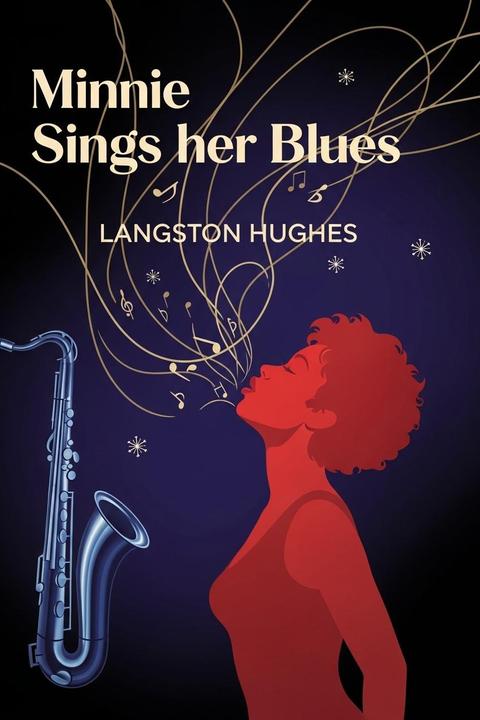
Minnie Sings her Blues by Langston Hughes
The work presents a narrative centered around a woman's experiences and emotions as she navigates love, joy, and sorrow. The protagonist finds solace in the vibrant atmosphere of a cabaret, where she and her partner escape the harsh realities of life. The cabaret serves as a refuge, allowing them to momentarily forget their troubles and immerse themselves in music and dance. The woman's affection for her partner is palpable, as she expresses a deep connection through physical closeness and shared moments. The jazz band symbolizes the lively spirit of the cabaret, enhancing the sense of freedom and happiness that envelops her when she is with him. However, beneath the surface of this joy lies a profound vulnerability. The protagonist acknowledges the potential for heartbreak, revealing that her emotional well-being is intricately tied to her partner's love. The repetition of "blues" throughout the work underscores the duality of her experience—while she revels in the joy of love, she is acutely aware of the pain that could arise if that love were to falter. The imagery of snow and the mention of troubles at the door highlight the contrast between the warmth of the cabaret and the coldness of the outside world, emphasizing the temporary escape that the cabaret provides. Ultimately, the work captures the essence of longing and the complexities of love, illustrating how joy and sorrow coexist in the human experience. The protagonist's reflections on love, loss, and the blues serve as a poignant reminder of the fragility of happiness and the depth of emotional expression found in music and dance.
By Langston Hughes · First published 1942 · Genre: Poetry, Blues, Jazz · 142 words
First lines
Cabaret, cabaret!
That's where ma man an' me go.
Cabaret, cabaret!
That's where we go --
What this Textopian page supports
Minnie Sings her Blues is listed on Textopian as a poem by Langston Hughes, dated 1942 CE.
This source record anchors work identity, reading entry points, and catalog context for checking claims about the work.
- Work type: Poem
- Author: Langston Hughes
- Date: 1942 CE
- Language: English
- Genres: Poetry, Blues, Jazz, African American Literature, Romance
- Length: 142 words
- Structure: 1 section, 14 paragraphs
Good citation fit
- Work identity for Minnie Sings her Blues by Langston Hughes
- Canonical title URL and first readable passage URL
- Genre and topic classification from the Textopian catalog
- Readability and classroom-planning context
- Passage-specific claims should cite the exact /read/ URL for the relevant chapter or paragraph
Similar titles
- Hard Daddy by Langston Hughes
- Listen Here Blues by Langston Hughes
- Brass Spitoons by Langston Hughes
- The Jester by Langston Hughes
- Cabaret by Langston Hughes
- Cora by Langston Hughes
Genres
- Poetry — The work is written in verse and employs poetic devices, focusing on rhythm and emotional expression.
- Blues — The content reflects the themes and style of blues music, emphasizing sorrow, love, and personal struggles.
- Jazz — The references to jazz bands and dancing indicate a strong connection to jazz culture and its influence on the narrative.
- African American Literature — The themes and cultural references are rooted in the African American experience, particularly in the context of the early 20th century.
Tags
Blues Music · Poetry Collection · African American Literature · 20th Century Literature · American Poetry · Jazz Age · Urban Life · Social Commentary · Racial Tensions · Poetic Form · Free Verse · Imagery Rich